Blog
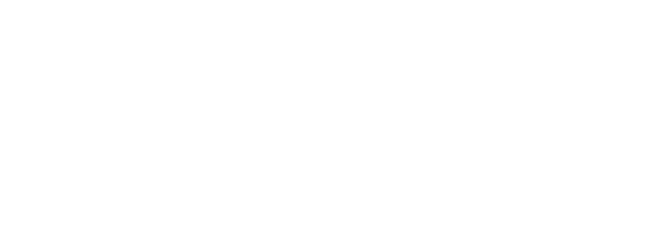
The “Harmless Error” Rule Can Sink (or Save) Bequests
May 3, 2023
One of the major purposes of active bequest management is to catch and prevent mistakes or malfeasance that seriously impair or even eliminate a testamentary gift. While such situations do not occur in every case, they are sufficiently common to warrant careful oversight of all pending bequests. Not surprisingly, the “mistakes” seem frequently to arise when there is a great deal of money at stake.
Closing an estate is a legal process. While the “legalities” may be more evident when the administration involves controversies, a charity can benefit from sound legal knowledge and judgment in any estate matter. The “hidden” role that attorneys can play is identifying and avoiding issues before they mature into protracted, and costly, litigation.
Every year, there are cases where attorney-executors have gone off the track and, whether through negligence or malice, put their own interests before those of the estate and its beneficiaries. These cases hardly represent the typical barrister.
See CCK Bequest’s published e-book about receipts and releases in bequest administration here.
[1] O’Neill, Too Cozy? The Ethical Case Against Allowing Attorney-Trustees to Shield Themselves from Personal Liability Through Blanket Exculpatory Clauses, 59 Real Prop. Tr. & Est. L.J. 67 (2024). Attorneys not only have specific obligations to their clients, but also to the legal system and society at large. It is the latter class of duties that the Article refers.